How to Winterize a Jet Ski: Complete Winterization Steps & Checklist
Share
How to Winterize a Jet Ski: Complete Winterization Steps & Checklist
The riding season doesn't last forever. When the water gets cold and the dock comes out, the worst thing you can do is throw a cover on your machine and walk away. Skipping proper jet ski winterization steps costs riders real money every spring — cracked manifolds, corroded carbs, dead batteries, and seized impellers all trace back to a lazy storage job. This guide walks you through every step so your PWC comes out of winter the same way it went in: ready to ride.
Winterizing is the last job of the year, not the only one. The pre-launch checks, spring recommissioning, and 25-hour service items that fill the rest of the calendar are laid out in our full jet ski maintenance checklist.
What You'll Need Before You Start
Gather your supplies before you get your hands wet. You'll need:
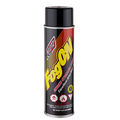
- Fogging oil (Klotz KL-610, in stock — for 4-stroke engines; 2-strokes handle this differently)
- Fresh engine oil and a new filter (or 2-stroke premix, model-dependent)
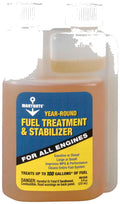
- Fuel stabilizer (Star Tron or Sea Foam work well)
- Biodegradable bilge cleaner
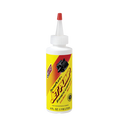
- Marine grease and a grease gun
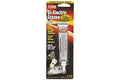
- Dielectric grease
- Battery tender / trickle charger
- A flush adapter or a nearby water hose with the right fitting
- Corrosion inhibitor spray
- Clean rags, a bucket, and basic hand tools
Skip the shopping list — the ready-made Winterizing Kit adds all the storage chemicals (fogging oil, corrosion spray, marine grease, fuel additive) to your cart in one click at 10% off. Then add a service kit (oil filter + plugs) for your model, or grab oils and oil filters individually.
Storage season is here · in stock, ships direct
Two clicks and you're ready to store it
Grab the ready-made Winterizing Kit (10% off) for every storage chemical this guide calls for, then pick the oil filter and plugs for your exact ski.
Having everything on the bench before you start means you won't half-finish the job and leave an open engine sitting overnight.
Jet Ski Winterization Steps: The Full Process
Work through these in order. Each step sets up the next, and skipping ahead almost always creates a problem you'll discover in April.
1. Flush the Cooling System
Every PWC has a raw-water cooling system that pulls water from the lake, river, or ocean through the engine. Salt, algae, and minerals accumulate inside and will corrode passages over winter if you don't clear them out.
Connect a garden hose to the flush port and run the engine at idle for 90 seconds to 2 minutes. On most Sea-Doo models the flush port sits on the starboard side of the hull; Yamaha WaveRunners typically use a garden hose adapter at the rear. Do not rev the engine during this step — without the hull in water the jet pump won't cool properly at high RPM.
For the full procedure, see our guide on how to flush your jet ski after riding.
After flushing, shut off the water first, then the engine, so the pump clears itself completely.
2. Change the Engine Oil and Filter
Fresh oil going into storage is non-negotiable. Used oil carries combustion acids, water contamination, and metal particles — leaving those in the crankcase for five months accelerates internal wear. Drain the old oil while the engine is still warm from the flush.
On 4-stroke machines (Sea-Doo Rotax, Yamaha TR-1, Kawasaki Ultra), swap the filter at the same time. Top off to the correct level with the manufacturer-specified oil. Two-stroke owners: confirm your premix ratio matches the fuel you're stabilizing. Step-by-step: how to change your jet ski oil.
3. Fog the Engine
Fogging oil coats the cylinder walls, piston rings, and intake tract with a film that resists rust and corrosion throughout winter. With the engine warm, remove the air intake hose or open the airbox and spray fogging oil directly into the throttle body or carb throat while someone cranks the engine briefly. You want a heavy, smoky coat — don't be shy. Shut the engine off with fogging oil still inside the cylinders.
We stock it: Klotz Fogging Oil (KL-610), 16 oz — one can covers a full winterization, and it's in the Winterizing Kit.
Note: Some newer EFI engines have specific fogging procedures. Check your service manual before spraying into a throttle body equipped with a MAF sensor — bypassing it incorrectly can throw codes.
4. Stabilize the Fuel
Gasoline starts degrading in as few as 30 days. After 60–90 days in storage it forms varnish and gum deposits that clog injectors and carb jets.
Add fuel stabilizer to a full tank — topping off minimizes the air space that accelerates oxidation. Run the engine for two to three minutes to circulate the treated fuel all the way through the rail and injectors. A full tank also reduces moisture condensation on the tank walls over winter.
5. Drain the Bilge and Hull
Open the drain plug and let the hull drain completely, then tilt the nose up slightly so any remaining water runs aft. On hulls with internal compartments, use a bilge pump or wet-dry vac to pull standing water from any low spots. Water trapped inside will freeze in cold climates, expanding and cracking the hull or fairing panels.
Spray the bilge with biodegradable bilge cleaner, agitate with a brush, then rinse and drain again. This kills mold and mildew before it has five months to establish itself.
6. Lubricate the Jet Pump and Steering Components
The pump shaft, ride plate, steering cable, and throttle cable are all exposed metal that want fresh grease before a long storage period.
- Pack the pump bearing with marine grease if your model allows access
- Grease the steering nozzle pivot points
- Work corrosion inhibitor spray into the throttle cable at both ends
- Apply dielectric grease to every electrical connector you can reach — ECU connector, battery terminals, and any exposed sensor connectors
The ride plate and pump housing collect small nicks and chips that rust quickly. Touch up any bare fiberglass or gelcoat damage now; grinding out a corroded spot in spring is a much longer job.
7. Pull the Battery
A battery left connected and untended over winter will self-discharge and sulfate. Pull it, bring it indoors, and connect it to a smart battery tender on maintenance mode — not a constant charge. A properly maintained AGM or lithium battery should still be at full capacity when the season opens.
Clean the terminals before storage: baking soda and water neutralizes corrosion, then coat with dielectric grease before connecting the tender leads.
8. Cover and Store
Store the PWC on its trailer, on a dedicated stand, or on a purpose-built rack — never rest it flat on the hull without proper support under the keel. A fitted, breathable cover keeps dust, UV, and pests out while allowing moisture to escape. Avoid non-breathable tarps that trap condensation against the hull.
If storing outdoors, leave the drain plug out so any water that gets inside can escape. Store indoors whenever possible to protect the hull and electronics from hard freeze-thaw cycles.
Common Jet Ski Winterization Mistakes to Avoid
Skipping the flush. Salt water left in cooling passages causes pitting and scaling that narrows flow — and eventually cracks the manifold from freeze expansion.
Leaving old fuel. Even with stabilizer, fuel that was already degraded before you treated it won't be saved. Start storage prep with fresh fuel in the tank.
Disconnecting the battery and leaving it on a shelf. Without a trickle charge, most batteries won't survive a full winter. A $25 battery tender pays for itself the first season.
Storing without fogging. Bare cylinder walls will rust. This is the single most common cause of hard starting and low compression in spring, and it's completely preventable.
Use the Downtime: Inspect the Pump
Winter is the right time to find problems, because you have months to order parts instead of hours. With the ski out of the water, hand-spin the impeller and check for smooth rotation, inspect the wear ring for grooves or scoring, look at the impeller blades for chips, and check the intake grate for cracks. Replace the zinc anode if it's more than half gone.
Finding a worn wear ring in November beats finding it at the ramp in May. Order over winter and install before the first warm weekend.
Parts: Wear Rings · Impellers · Spark Plugs · Fuel Filters · Service Kits
FAQ
How late in the fall should I winterize my jet ski? Winterize before the first hard freeze in your area, or as soon as you're confident you won't ride again that season — whichever comes first. Don't wait until nighttime temperatures are already swinging near freezing.
Do I need to fog a 4-stroke jet ski engine? Yes. While 4-strokes tolerate storage better than 2-strokes, cylinder walls are still bare metal and will surface-rust over a five-month storage period without a fogging oil coating. A single can of Klotz fogging oil covers the job.
Can I just add fuel stabilizer without changing the oil? You can, but it's not recommended. Dirty oil carries acids and particulates that degrade seals, gaskets, and bearings during storage even when the engine isn't running. An oil change is a 20-minute job — do it.
How do I know if I need a new impeller before spring? If your machine was sluggish or cavitating at the end of last season, pull the ride plate and inspect the impeller for chips, nicks, or blade wear before you put it to bed. A damaged impeller doesn't improve on its own — here's how to inspect and replace a PWC impeller.
Related Guides
- Spring: Get Your Jet Ski Ready for Summer (Pre-Season Checklist)
- The Complete Jet Ski Maintenance Checklist (Every Interval)
- How Much Is Jet Ski Maintenance? Cost Breakdown by Brand
- How to Change the Oil on Your Jet Ski
- How to Replace Your Spark Plugs
- How to Flush Your Jet Ski After Riding
- Sea-Doo Battery Keeps Dying? Charging System Diagnosis
- All Jet Ski Repair & Maintenance Guides
Get the Right Parts Before You Put It Away
Don't head into storage season scrambling for supplies. The Winterizing Kit covers every storage chemical in one click at 10% off, and Everything JetSki stocks service kits, oil, filters, and replacement parts for Sea-Doo, Yamaha, and Kawasaki machines — everything you need to do this job right the first time.
Stock up now and start spring with a machine that's ready to run: Winterizing Kit · Service Kits · Oils · Shop All PWC Parts