The Ultimate Jet Ski Maintenance Checklist (Printable, Season-by-Season)
Share
A solid jet ski maintenance checklist is the difference between a season on the water and a season waiting on parts. Whether you ride a Sea-Doo, Yamaha, or Kawasaki, personal watercraft are high-performance machines that reward riders who stay on top of service intervals — and punish those who don't. This guide breaks down exactly what to check and when, from pre-launch walkarounds to full winterization. Print it, bookmark it, use it.
Before Every Ride: Your Pre-Launch Jet Ski Maintenance Checklist
Five minutes before you hit the water can prevent a tow back to the dock. Run through this every single time.
Fuel and Oil
- Fuel level checked — fill before launching, not after
- Oil level confirmed (4-stroke engines)
- No fuel smell in the hull (sniff the engine compartment before closing the hatch)
- Oil injection reservoir topped off (2-stroke engines)
Engine Bay
- Bilge is dry — any standing water signals a problem
- Battery terminals tight and free of corrosion
- No loose wires or hoses
- Drain plug is installed (sounds obvious; it gets forgotten)
- Fire extinguisher present and charged
Hull and Jet Pump
- Intake grate clear of weeds, rope, and debris
- No visible cracks or damage to the hull
- Wear ring area looks clean — no unusual gouging or scoring visible through the intake
- Steering responds correctly at idle
- Throttle cable moves freely with no sticking
On the Water
- Flush indicator stream (tell-tale) is flowing within 30 seconds of startup
- No unusual vibration at throttle
- No warning lights or alarm beeps on the gauge
If anything fails this list, don't launch. These checks take longer to read than to perform once they're habit.
Spring Recommissioning: Jet Ski Maintenance Checklist for Start of Season
This is your most important service window of the year. Skipping spring recommissioning is how people end up stranded mid-July.
Battery
- Fully charge with a smart charger before the first ride
- Load test the battery — voltage alone doesn't tell the full story
- Clean terminals with a wire brush; apply dielectric grease
- Replace batteries over three years old proactively
Engine
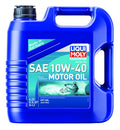
- Change engine oil and filter (4-stroke models)
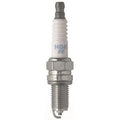
- Replace spark plugs — check the gap against spec
- Inspect and replace the flame arrestor if clogged
- Check engine mounts for cracks or soft rubber
- Inspect all hoses and clamps; replace anything cracked or brittle
- Remove fogging oil residue by running the engine briefly out of water (only per manufacturer guidance)
Cooling System
- Inspect the cooling hoses for cracks or wear
- Flush with fresh water if you didn't do a thorough flush before storage
- Confirm the tell-tale flows freely with a garden hose flush
Jet Pump
- Remove and inspect the impeller for chips, cracks, or bent blades
- Check the wear ring clearance — if you can feel play between the impeller and ring, it's time to replace it
- Inspect the driveshaft seal and coupling
- Grease fittings per the service manual
- Check the pump bearing for roughness
Hull and Deck
- Inspect the hull for cracks, stress fractures, and gelcoat chips — repair before they worsen
- Check all through-hull fittings
- Inspect the ski's bumpers and grab handles
- Confirm the drain plug and O-ring seal correctly
Registration and Safety
- Registration stickers current
- Life jackets on board and in good condition
- Whistle, fire extinguisher, and required safety gear for your state
- Float plan shared with someone onshore
Mid-Season Maintenance: Staying Ahead of Problems
Mid-season service is easy to skip when everything feels fine. Don't. Approximately every 25-50 hours of operation (or at the halfway point of your riding season), run through this list.
Every 25 Hours or Mid-Season
- Change engine oil and filter (4-stroke)
- Inspect spark plugs; replace if fouled
- Check the fuel/water separator filter and drain if needed
- Inspect the impeller again — mid-season riding accumulates debris strikes
- Lubricate all grease points: pump bearings, steering cable, reverse gate pivot
- Inspect the jet pump intake for hairline cracks
- Check battery voltage under load
- Inspect the hull for any new damage from use
After Every Saltwater Ride
Salt accelerates corrosion faster than anything else on the list. If you ride in saltwater:
- Flush the cooling system with fresh water for at least five minutes
- Rinse the engine bay, pump, and all external components
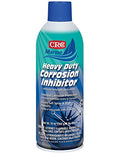
- Spray engine and pump components with corrosion inhibitor
- Rinse the trailer frame, bunks, and bearings
Winterization: The End-of-Season Jet Ski Maintenance Checklist
Getting winterization right means your ski comes out of storage ready to ride, not ready for repairs. Don't cut corners here.
Fuel System
- Add fuel stabilizer to a full tank and run the engine for 10 minutes to circulate it
- Top the tank off completely to minimize condensation
- On carbureted models, drain the carbs after stabilizing
Engine Fogging
- With the engine running, spray fogging oil into the air intake
- Fog the cylinders directly via the spark plug holes on 2-stroke engines (check your service manual)
- Reinstall spark plugs finger-tight after fogging
Cooling System Flush
- Connect a garden hose to the flush port and run fresh water through the cooling system until it runs clear
- On Sea-Doo models with a closed-loop cooling system, check coolant level and condition
- Allow the system to drain completely before storage — any trapped water can freeze and crack components
Jet Pump and Driveline
- Remove the pump if possible and inspect the impeller, wear ring, and shaft seal
- Grease all fittings and apply corrosion inhibitor
- Inspect the driveshaft coupling and replace the O-ring if worn
Battery and Electrical
- Remove the battery and store it indoors on a trickle charger or battery tender
- Disconnect the battery terminals if leaving it in the ski
- Spray electrical connections with dielectric grease
Hull and Storage
- Wash and wax the hull before storage — a good coat of wax protects the gelcoat over winter
- Leave the storage cover slightly loose or use a breathable cover to prevent mildew
- Store the ski level or bow-slightly-down to allow any residual water to drain
- If storing on a trailer, check tire pressure and inspect the wheel bearings before spring
What to Keep in Your PWC Tool Kit
Don't leave the dock without these:
- Spark plug wrench and spare plugs
- Basic metric wrench and socket set
- Impeller removal tool (model-specific)
- Zip ties and hose clamps
- Bilge pump (manual backup)
- Marine-grade multi-tool
- Waterproof electrical tape
- Tow rope rated for PWC
Having the right tools at the ramp saves your ride. Carrying the right parts in your storage bin saves your season.
FAQ
How often should I service my jet ski?
For most 4-stroke PWC, the manufacturer recommends an annual service or every 50 hours, whichever comes first. High-use riders — anyone logging 50+ hours per season — should inspect spark plugs, oil, and the jet pump more frequently. 2-stroke engines typically need spark plug checks every 25 hours.
What's the most commonly missed maintenance item on a jet ski?
The wear ring. Most riders never check clearance between the impeller and wear ring until they notice a drop in top speed or acceleration. By that point, the ring is usually well past due. Check it every spring and any time performance feels soft.
Can I do jet ski maintenance myself?
Absolutely — most routine service tasks are well within reach for anyone comfortable working on engines. Oil changes, spark plugs, flush maintenance, battery service, and impeller inspection are all DIY-friendly with the right tools and a service manual for your specific model. Complex work like crankshaft seals or supercharger rebuilds is better left to a qualified tech.
What happens if I skip winterization?
Skipping winterization can result in corroded fuel systems, cracked cooling passages from freeze damage, seized engine components from lack of lubrication, and a dead battery in spring. The cost of proper winterization is a fraction of what those repairs run. Don't skip it.
Get the Right Parts for Every Item on This List
Every task on this checklist is only as good as the parts you use. Cheap consumables — filters, spark plugs, O-rings — are a false economy on high-performance machinery. At Everything JetSki, we stock OEM-spec and performance-grade parts for Sea-Doo, Yamaha, and Kawasaki PWC, from service kits and impellers to wear rings and seasonal maintenance supplies. Find what you need for your specific model and get back on the water faster.