How to Tell If Your Sea-Doo Jet Pump Is Bad: 6 Warning Signs
Share
How to Tell If Your Sea-Doo Jet Pump Is Bad: 6 Warning Signs
If your Sea-Doo isn't performing the way it should, the jet pump is often the first place to look. Knowing how to tell if your Sea-Doo jet pump is bad can save you from a costly breakdown — or worse, getting stranded miles from the dock. The pump takes abuse from rocks, sand, rope, and plain wear, and when it starts to go, it gives you clear signals. Here's what to watch for.
How to Tell If Your Sea-Doo Jet Pump Is Bad: The Key Areas
The jet pump has four main components that wear or fail: the impeller, the wear ring, the pump bearings, and the shaft seal. Each fails in its own way and produces its own symptoms. The six warning signs below map directly to these components so you can pinpoint the problem without guessing.
1. Significant Loss of Top-End Speed
One of the most obvious signs something is wrong is a noticeable drop in top-end speed. If your Sea-Doo used to hit 55 mph and now struggles to crack 45, the jet pump is the first place to look.
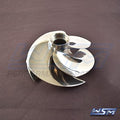
The impeller is the rotating heart of the pump. When its blades are worn, chipped, or bent, they can't move water efficiently. A worn wear ring compounds this — as the gap between the impeller and the ring grows, water slips back inside the pump instead of being pushed out the nozzle, and you lose thrust fast.
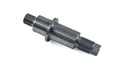
Quick check: With the ski out of the water and the engine off, reach through the intake grate and try to wiggle the impeller shaft. There should be minimal play. Excessive side-to-side movement points to worn bearings, which kill both performance and pump life.
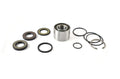
If there is play, the fix is a pump teardown — our step-by-step jet pump rebuild guide covers bearing and seal replacement, and we stock SOLAS replacement impellers when the rotor is chewed up too.
2. Vibration or Shaking Under Acceleration
A healthy jet pump runs smooth. If you feel a vibration or rhythmic shake through the hull — especially when you open the throttle — something inside the pump is out of balance.
The most common culprit is a bent or nicked impeller blade. Even a small piece of debris can deform a blade. Once one blade is heavier or shaped differently from the others, the entire assembly vibrates at speed. Severe vibration can loosen pump housing bolts and accelerate wear ring damage, so don't ride through it.
Quick check: Shine a flashlight through the intake grate (engine off, ski out of water). Look at each blade for chips, cracks, bends, or irregular edges. If one blade looks different from the rest, you've found your problem.
3. Grinding, Rattling, or Squealing Noises
Your Sea-Doo should be loud. It shouldn't sound broken.
Grinding
Usually means the impeller or housing is making contact where it shouldn't — typically because the wear ring is badly worn and the impeller is running off-center.
Rattling
A foreign object is loose in the pump. Stop immediately. A rock or shell bouncing around inside can shred an impeller in minutes.
Squealing
Indicates a dry or failing bearing on the pump shaft.
Any new sound coming from the rear of the ski warrants a full out-of-water inspection before you run it again.
4. Cavitation and Blowing Out in Turns
Cavitation — that spinning-out sensation where the engine revs spike but thrust disappears — isn't always a pump problem. At high speed on aggressive turns, some is normal. But if your Sea-Doo is blowing out on flat water at moderate throttle, or far worse than it used to be, that points directly at pump wear.
A worn wear ring is the most common cause. As the clearance between the impeller and ring grows past roughly 0.3–0.4 mm, water recirculates inside the pump instead of being pushed out. The impeller spins in air pockets and you lose drive — textbook cavitation.
The wear ring test: With the engine off and ski out of water, push the impeller upward toward the hull. If you can move it more than a millimeter or feel significant slop, the wear ring is past its service limit.
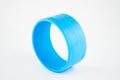
Past the service limit, the ring has to come out. The pump rebuild guide walks through the press-fit procedure, and you can match a new one from our PWC wear rings.
5. Water in the Hull After Every Ride
Some water in the bilge is normal — the exhaust cooling system and spray contribute a small amount every ride. But if you're finding significantly more water after each session, a failing pump shaft seal is a likely cause.
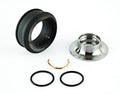
The mechanical seal between the pump and driveshaft keeps lake water from following the shaft into the hull. When it fails, water tracks directly into the engine compartment — our breakdown of water in a Sea-Doo hull and the carbon seal behind it covers that failure mode in depth. Left unchecked, this corrodes wiring, damages electronics, and in severe cases will sink the ski.
What to track: If your bilge pump is running more than usual or you're bailing more than a cup or two after a normal ride, inspect the pump shaft seal before you go out again.
6. Visible Damage on Direct Inspection
When in doubt, pull the pump and look. On most Sea-Doo models you can inspect and service the jet pump without pulling the engine. Here's what failure looks like:
- Impeller blades: Chips, cracks, bends, or missing material on any blade
- Wear ring: Score marks, gouges, or a visible gap between ring and impeller
- Pump housing: Cracks, impact damage, or heavy corrosion
- Shaft and bearings: Rough rotation, pitting, or rust when spun by hand
- Trim nozzle/deflector: Chips or cracks that redirect thrust unevenly
How to Tell If Your Sea-Doo Jet Pump Is Bad: A Quick Checklist
Before you pull the pump, run through this fast in-the-driveway checklist:
- [ ] Noticeable loss of top-end speed vs. prior season?
- [ ] Vibration felt through the hull under acceleration?
- [ ] New or unusual sounds — grinding, rattling, or squealing?
- [ ] Excessive cavitation on flat water at moderate throttle?
- [ ] More bilge water than normal after a ride?
- [ ] Visual damage visible through the intake grate?
- [ ] More than 1–2 mm of impeller shaft movement when wiggled by hand?
Two or more "yes" answers mean the pump needs attention before your next ride.
What Causes Sea-Doo Jet Pump Failures?
Most pump failures aren't random — they're caused by something specific:
- Debris ingestion — Rocks, shells, rope, weeds, and sand are the number-one killer of impellers and wear rings. Shallow-water launches are high-risk.
- Normal wear — Impellers and wear rings are service items, not lifetime parts. They degrade with every hour on the water.
- Impact damage — Running aground or hitting a submerged object transfers force directly into the pump.
- Neglected maintenance — Skipping annual pump inspections lets small problems (a minor nick, early bearing wear) compound into expensive failures.
- Rope wrap — One encounter with a dock line or anchor rope can bend or break an impeller blade instantly.
When to Rebuild vs. When to Replace
If the impeller is bent or chipped, you can often swap just the impeller without replacing the entire pump housing. Wear rings are inexpensive and should always be replaced when the pump is apart. Bearings and seals can be replaced individually if the housing is in good shape.
Full pump replacement makes sense when:
- The pump housing is cracked or heavily corroded
- Multiple components are worn simultaneously
- You're upgrading to a SOLAS performance impeller at the same time
A full pump rebuild is well within DIY reach on most Sea-Doo models with basic hand tools, a torque wrench, and an afternoon.
FAQ
How long does a Sea-Doo jet pump last? With proper maintenance, the pump housing and major components can last the life of the machine. Wear items like the impeller and wear ring need inspection every 50–100 hours and typically need replacement every 2–4 seasons depending on operating conditions.
Can I ride my Sea-Doo with a bad jet pump? No. A worn wear ring progressively worsens and can destroy the impeller. A chipped impeller creates vibration that damages bearings and seals. A leaking pump seal can sink the ski. Once you suspect pump damage, inspect it before the next ride.
How much does Sea-Doo jet pump repair cost? A wear ring replacement is typically $40–$80 in parts. An impeller swap runs $100–$400 depending on OEM vs. SOLAS performance. A full rebuild with all wear items is $200–$600 DIY, plus $100–$300 in shop labor if you're not doing it yourself.
What's the difference between the impeller and the wear ring? The impeller is the spinning propeller inside the pump. The wear ring is the stationary sleeve that surrounds it. Together they create the water pressure that drives the ski. When the fit between them is tight, efficiency is high. As the wear ring wears out, the gap grows, pressure drops, and you lose thrust and top speed.
Get Back on the Water
Now that you know how to tell if your Sea-Doo jet pump is bad, don't let a worn impeller or a blown wear ring cut your season short. Everything Jetski stocks OEM and SOLAS replacement impellers, wear rings, pump seals, and complete jet pump rebuild kits for Sea-Doo, Yamaha, and Kawasaki personal watercraft.
Find your parts by model at everythingjetski.com and get back to riding.