Why Is My Jet Ski Overheating? 7 Causes and How to Fix Each One
Share
Why Is My Jet Ski Overheating? 7 Causes and How to Fix Each One
Overheating is almost always a parts problem — a blocked grate, a worn wear ring, a chewed impeller, or a stuck thermostat. Find what fits your ski:
Intake Grates · Wear Rings · Impellers · Gaskets & Seals · All Jet Pump Parts
Not sure which fits? Use the Year / Make / Model finder at the top of this page to filter to your exact machine.
Your jet ski is supposed to be in the water — but that doesn't mean the water is always doing its job. If your PWC is throwing a temperature alarm, beeping mid-ride, or going into limp mode, something in the cooling circuit has gone wrong. The question why is my jet ski overheating is one of the most diagnosable problems you'll face as a PWC owner — and most causes are fixable without dropping it off at a dealer.
Here's a breakdown of the seven most common reasons your jet ski runs hot, and exactly what to do about each one.
Why Is My Jet Ski Overheating? Understand the Cooling System First
Before you chase down individual parts, understand how PWC cooling works. Most personal watercraft use an open-loop cooling system — raw water is pulled in through the jet pump, routed through the engine to absorb heat, and expelled through the exhaust or tell-tale (the small stream you see shooting from the back or side of the hull). Some Sea-Doo 4-TEC and select Yamaha models use a closed-loop system with dedicated coolant, but raw water is still involved in the heat exchange.
If water flow is interrupted anywhere in that chain, engine temperature climbs fast. Start your diagnosis at the pump and work forward.
Cause 1: Debris Blocking the Pump Intake
This is the single most common cause of jet ski overheating — and the easiest to fix. Seaweed, fishing line, plastic bags, aquatic grass, and sand can get pulled into the pump and choke off water flow before it ever reaches the engine.
How to check it: Kill the engine, trim the nose up, and visually inspect the jet pump intake grate on the underside of the hull. Look for anything wrapped around the grate or jammed into the pump opening.
How to fix it: Clear the obstruction by hand or with a stick. If debris got past the grate and into the pump housing, remove the ride plate for full access. Restart in clean, deep water and confirm the tell-tale stream is flowing strong before heading back out.
Need the part? A bent or cracked grate keeps letting debris through even after you clear it. → Shop intake grates for your ski
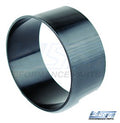
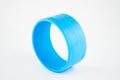
Cause 2: Worn or Damaged Wear Ring
The wear ring creates a tight seal between the impeller and the pump housing. When it wears down — or gets cracked by sand or gravel ingestion — the pump loses efficiency and moves less water through the cooling system.
Signs it's the wear ring: Reduced top speed, RPMs climbing higher than normal, and an engine that gets hot even in clean water are classic indicators.
How to fix it: Wear rings are an inexpensive, DIY-friendly repair if you're comfortable pulling the pump. It's one of the highest-value maintenance tasks you can do, and it's worth inspecting every season on any ski with significant hours.
Need the part? Wear rings run $40–$80 and take an afternoon. → Find the wear ring for your Sea-Doo, Yamaha or Kawasaki
Cause 3: Damaged or Cavitating Impeller
The impeller is the spinning blade that pushes water through the pump. A bent blade, chip, or nick — caused by shells, gravel, or hard debris — throws off its balance and reduces water flow. A severely damaged impeller causes cavitation: air bubbles collapsing inside the pump that generate heat and choke the cooling circuit.
How to check it: Inspect the impeller blades for chips, bends, or uneven wear. Any visible damage is worth addressing immediately.
How to fix it: Replace the impeller. If you want to add some performance at the same time, a SOLAS aftermarket impeller is a direct-fit upgrade that improves both thrust and cooling efficiency across Sea-Doo, Yamaha, and Kawasaki models.
Need the part? Replace like-for-like, or step up to a performance pitch. → Shop impellers · SOLAS impellers
Cause 4: Faulty or Stuck Thermostat
The thermostat regulates when cooling water flows through the engine based on temperature. If it sticks closed, cooling water can't circulate — and the engine overheats rapidly even with perfect water flow into the pump.
Signs it's the thermostat: The engine heats up very quickly after startup, even in deep, clean water with a strong tell-tale stream.
How to check it: Remove the thermostat and test it in a pot of hot water on a stovetop. It should open at its rated temperature (listed in your service manual). If it stays closed, it's done.
How to fix it: Thermostats are inexpensive. Replace it with a new O-ring or gasket and you're back on the water.
Need the part? Replace the gasket or o-ring at the same time — don't reuse it. → Shop gaskets & seals
Cause 5: Clogged or Kinked Cooling Hoses
Over time, cooling hoses crack, kink, or accumulate mineral deposits that restrict water flow. This is especially common on older machines that haven't had their cooling systems flushed regularly, particularly in areas with hard water or heavy salt exposure.
How to check it: Visually trace the hoses running from the pump to the engine. Look for kinks, cracks, soft spots, or white mineral buildup at the fittings.
How to fix it: Flush the system with a descaling solution, or replace compromised hoses. If the tell-tale stream is weak or inconsistent without a clear pump blockage, clogged internal passages are often the culprit.
Cause 6: Low Coolant on Closed-Loop Models
Sea-Doo 4-TEC engines and a handful of Yamaha models run a closed-loop cooling circuit with a dedicated coolant reservoir — similar to a car. If the coolant level drops due to a slow leak or simple neglect, the engine can't shed heat properly.
How to check it: Locate the coolant reservoir (reference your owner's manual for its position), and check the level with the engine cold.
How to fix it: Top off with the manufacturer-approved coolant mix. If it's running low consistently, pressure-test the system to locate the leak before it causes serious damage.
Cause 7: Shallow Water and Sandy Bottom
This one catches a lot of riders off guard. Jet skis need a minimum of about 3 feet of water to ingest cooling water efficiently without pulling in sand or mud. Sustained operation in shallow areas starves the pump of clean water and simultaneously loads it with abrasive debris that accelerates wear ring and impeller damage.
The fix: Avoid sustained operation in water shallower than 3 feet. When launching or retrieving in shallow zones, keep RPMs low and move out to deeper water quickly.
How to Tell If Your Jet Ski Is Overheating
Most modern PWC give you at least one warning before things go critical:
- Audible alarm — a repeating beep from the ECM or VTS system
- Reduced power mode — the engine pulls back RPMs automatically to protect itself
- Temperature warning on the display — on LCD or digital gauge-equipped models
- Tell-tale stops flowing or trickles — one of the most reliable real-time indicators
If any of these appear, shut down the engine immediately, let it cool completely, and diagnose before restarting. Running a hot engine risks warped heads, blown head gaskets, and seized pistons — failures that a five-minute cooldown could have prevented entirely.
Maintenance That Prevents Overheating
The best overheating repair is the one you never have to do. These habits eliminate the most common causes before they strand you:
- Flush after every ride — especially in saltwater. Salt buildup clogs cooling passages faster than anything else.
- Inspect the pump intake before every launch — 30 seconds of prevention beats an hour of repairs on the water.
- Replace wear rings and impellers on schedule — if you're seeing speed loss or hearing unusual pump noise, don't wait.
- Service the thermostat annually — include it in your yearly maintenance if the ski has significant hours.
Do it once a year, in one go. → PWC service kits · Oils · Oil filters
FAQ
What temperature is too hot for a jet ski? Most PWC engines are designed to run between 140°F and 180°F (60°C–82°C). Consistent readings above 200°F (93°C) indicate a cooling problem. If your temperature alarm fires, treat it as critical — stop the engine and don't push through it.
Can I ride my jet ski after it overheats? Not until you've found and fixed the cause. Continued operation risks serious engine damage including warped cylinder heads, blown head gaskets, or a seized engine. Shut down, let it cool completely, diagnose the root cause, and only restart once the problem is resolved.
Why is my jet ski overheating but the tell-tale is still flowing? A flowing tell-tale confirms water is reaching the exhaust but doesn't guarantee adequate flow through the entire engine. A stuck thermostat, partially blocked internal coolant passage, or low coolant in a closed-loop system can all cause overheating even when the tell-tale looks normal. Diagnose beyond the pump when the tell-tale checks out.
How do I flush my jet ski cooling system? Connect a garden hose to the flushing port (location varies by model — check your manual), start the engine, let it idle for 60–90 seconds, then shut the engine off before turning off the water. Killing the water first can damage water pump seals. Use a descaling solution periodically to clear mineral deposits from internal passages.
Find the Part for Your Ski
An overheating jet ski is almost always a parts problem — and parts problems have parts solutions. Use the Year / Make / Model finder at the top of this page to filter to parts that fit your exact machine, or jump straight to what you need:
Wear Rings · Impellers · Intake Grates · Gaskets & Seals · Service Kits · All Jet Pump Parts
We run a PWC repair shop on Long Island, so we stock what actually fails — for Sea-Doo, Yamaha, Kawasaki and jet boats. Related reading: Yamaha-specific overheating guide · All repair guides