Jet Ski Won't Go Full Speed? Here's How to Diagnose the Problem
Share
In stock · ships direct from the warehouse
Lost speed? It's almost always one of these three pump parts
If RPM is normal but speed is down, the fix is in the jet pump — not the engine. The wear ring, impeller, or pump bearings account for the large majority of cases. All in stock. Pick your ski and we'll show only what fits.
▸ Find My Pump Parts — Year / Make / Model
| The suspect | Shop it | Common 4-TEC 1503 example |
|---|---|---|
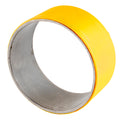
| Worn wear ring (most common) | All wear rings | 003-499 (04–18) — $54.26 |
| Damaged impeller | All impellers | 021-220-15/21A (09–17) — $306.95 |
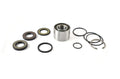
| Worn pump bearings (growling) | Bearings & rebuild kits | 010-203 (04–26) — $49.93 |
Diagnose first (the checklist below walks you through it), then match the part to your exact ski with the Year / Make / Model finder or ask us with your model and year.
You pin the throttle and something's off. The ski gets up and goes, but it doesn't pull the way it used to. Top speed is down. Acceleration feels lazy. Or maybe it just never quite hits the numbers you'd expect for your model. Something is wrong — but what?
Speed and power loss on a Sea-Doo has a fairly short list of likely causes, and most of them live in the jet pump. This guide walks through each one in order of likelihood so you can diagnose the problem yourself without a trip to the dealer.
Start Here: Is It a Pump Problem or an Engine Problem?
The first thing to establish is whether the issue is in the jet pump or the engine. Here's a quick way to tell:
- Engine RPM is normal but speed is low: The engine is doing its job — the pump isn't converting that power into thrust efficiently. This points to a pump issue: worn wear ring, damaged impeller, or pump debris.
- Engine RPM is low or the ski bogs/hesitates: The engine itself is limited. This points to fuel delivery, spark plugs, a clogged fuel injector, or an air intake issue.
- RPM bounces around or the ski surges: Could be cavitation from the pump, or a fuel delivery issue. Need to narrow it down further.
Most of the time, if your ski ran fine last season and is slow this season, it's a pump problem. Engine issues tend to show up as rough running, misfires, or hard starting — not just top speed loss.
Cause #1: Worn Wear Ring (Most Common)
The wear ring is the housing that wraps around your impeller blades inside the pump. Its job is to maintain a near-zero gap between the blade tips and the housing wall. When that gap widens due to wear or damage, water slips back past the impeller instead of being pushed through the nozzle — and your thrust drops with it.
A worn wear ring is the single most common cause of speed loss on a used Sea-Doo. It's also one of the cheapest and easiest fixes.
Signs it's the wear ring: gradual top speed loss over time, normal RPM but low speed, no unusual noise (unless the impeller is also making contact).
Diagnosis: Remove the pump nozzle and run your finger around the inside of the wear ring. Any grooves, scoring, or rough texture means it's done.
See our full guide: Sea-Doo Wear Ring Symptoms: How to Tell If Yours Is Bad
Cause #2: Damaged or Worn Impeller
The impeller is the spinning component that actually moves the water. Blade damage from rocks, rope, or sand causes two problems: the blade no longer moves water efficiently, and the imbalance creates vibration that stresses bearings and seals.
Even gradual erosion on the blade edges from normal use will reduce efficiency over time. A chipped or bent blade is more dramatic and usually causes a noticeable vibration in addition to speed loss.
Signs it's the impeller: speed loss combined with vibration, especially at high RPM. You may also notice a rhythmic thumping or wobble feeling through the hull.
Diagnosis: With the ski out of the water, visually inspect the impeller blades through the pump nozzle. Look for chips, bends, erosion on the blade edges, or any visible imbalance.
See our full guide: How to Replace a Sea-Doo Impeller (Step-by-Step)
Cause #3: Debris Lodged in the Pump
A piece of rope, a clump of weeds, or a chunk of plastic lodged between the impeller and wear ring will kill your speed instantly. This is easy to diagnose and easy to fix — but it can cause serious secondary damage if you try to power through it.
Signs it's debris: sudden speed loss, often after riding in shallow water, near docks, or in weedy areas. You may hear a grinding or clunking sound at the moment of ingestion.
Diagnosis: Look through the intake grate from below and through the pump nozzle from behind. Even a small amount of rope or vegetation caught in the pump will be visible. Use a hook tool or needle-nose pliers to remove it — never put fingers into a pump that could accidentally engage.
After clearing debris, inspect the impeller and wear ring for damage before riding again.
Cause #4: Worn Jet Pump Bearings
Worn pump bearings allow the impeller shaft to run with play, which causes the impeller to wobble slightly inside the pump. That wobble reduces pump efficiency and accelerates wear on the impeller and wear ring. In later stages, the ski will also develop a growl or rumble from the pump.
Signs it's the bearings: speed loss combined with a growling or rumbling sound from the rear of the ski. The hand-spin test (spinning the impeller by hand with the ski out of water) will feel rough or gritty.
See our full guide: Sea-Doo Making a Growling Noise from the Back? It's Probably Your Jet Pump Bearings
Cause #5: Clogged Intake Grate
The intake grate on the bottom of the hull is the first line of defense against debris. A partially clogged grate restricts water flow into the pump and starves it of the volume it needs to produce full thrust. Even a partial blockage can cost you several mph at the top end.
Signs it's the intake: speed loss after riding in weedy or silty conditions. Usually resolves quickly once cleared.
Diagnosis: Flip the ski or look under the hull. The intake grate should be clear. Remove any vegetation, sediment, or debris packed against it.
Cause #6: Fuel or Engine Issues
If you've checked all of the above and the pump looks clean and intact, shift your focus to the engine side. A fuel system that can't keep up at high RPM has a signature worth knowing: it runs fine at idle and part throttle, then bogs or cuts specifically at wide-open throttle. The most common engine-side causes of power loss are:
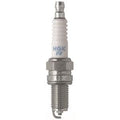
- Fouled or worn spark plugs: Easy to check and cheap to replace. Sea-Doos are hard on plugs. If they haven't been changed in two seasons, start here.
- Clogged fuel filter: A restricted filter starves the engine exactly when demand peaks. If yours hasn't been replaced in two or three seasons, change it before digging deeper — it's a cheap consumable, not a lifetime part.
- Weak fuel pump: Pumps lose pressure with age. One that holds fine at idle may not sustain adequate pressure under full load, which shows up only at WOT.
- Dirty fuel injectors: A partially clogged injector causes a lean condition and power loss, especially at full throttle. A fuel injector cleaner additive sometimes helps; professional cleaning or replacement fixes it for good.
- Collapsed fuel line or blocked tank vent: A tank that can't breathe pulls a vacuum and progressively starves the engine. The tell is power that fades over a 10–15 minute run rather than being wrong from the first pull. Check the vent, the primer bulb, and the pickup.
- Ignition coil breaking down under heat: A failing coil can deliver good spark at idle and break down at high RPM once it's hot. These are intermittent and maddening to chase. If the plugs look fine and you're still missing at high RPM, swap in a known-good coil or test resistance against spec.
- Air filter / flame arrester: A clogged flame arrester restricts airflow to the engine. Pull it and inspect — a dirty one is obvious.
- Low compression: If a cylinder is worn or has a blown head gasket, you'll lose significant power. Requires a compression test to confirm.
On older carbureted 2-strokes, a partially clogged main jet or varnish in the fuel passages causes the same flat bog at full throttle — see How to Clean the Carburetor on a 2-Stroke Jet Ski.
Cause #7: Overheating and Limp Mode
Modern Sea-Doos and late-model Yamahas cut power deliberately to protect the engine when temperatures spike. The signature is different from mechanical wear: the ski runs normally for 10–15 minutes, then drops to roughly half power all at once.
Cooling flow: Most PWC use raw-water cooling drawn from the pump. A clogged cooling line, blocked fitting, or failed thermostat cuts flow and lets temperature climb fast. With the engine running, confirm water is streaming from the tell-tale outlet on the hull. No stream means no flow — shut it down before you cook the motor.
Fault codes and DESS: On Sea-Doo, a worn DESS key or a dirty lanyard post can trigger a reduced-power condition that mimics a mechanical fault. Before pulling anything apart, read the stored codes with BUDS or a compatible tool. Yamaha and Kawasaki have their own diagnostic modes. Pulling codes first saves a lot of time chasing ghosts.
See our guides to reading Sea-Doo fault codes and the full Sea-Doo and Yamaha code lookup.
Quick Diagnosis Checklist
Work through this in order before assuming the worst:
- Check RPM vs. speed — establish whether it's pump or engine
- Inspect intake grate for debris (30 seconds)
- Look inside pump nozzle for lodged debris
- Hand-spin impeller — should feel smooth and quiet
- Visually inspect impeller blades for damage
- Run finger inside wear ring — should feel perfectly smooth
- Check spark plugs and flame arrester
- Replace the fuel filter if it's overdue
- Confirm the tell-tale cooling stream with the engine running
- Pull fault codes on fuel-injected models before assuming mechanical failure
In most cases, you'll find your answer by step 6. The pump is the most likely culprit, and a visual inspection takes less than ten minutes.
Bottom Line
Speed loss on a Sea-Doo is almost always fixable, and almost always starts in the jet pump. A worn wear ring, damaged impeller, or pump debris accounts for the majority of cases. Work through the checklist above, and you'll have a diagnosis before you've spent a dollar.
If the pump is where you land and you're doing the work yourself, our step-by-step jet pump rebuild guide covers the full teardown, torque specs, and parts list.
Need help identifying the right replacement parts once you've found the problem? Browse our jet pump parts with the Year / Make / Model finder or contact us and we'll help you get the right parts on order.