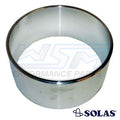
Sea-Doo Wear Ring Symptoms: How to Tell If Yours Is Bad
Share
In stock · ships direct from the warehouse
Wear ring is the cheapest fix in the jet pump — get yours here
Match the ring to your exact engine and year — the 155, 230 and 300 hp pumps all take different rings. Pick your ski and we'll show only what fits.
▸ Find My Wear Ring — Year / Make / Model
Common in-stock Sea-Doo wear rings:
| Fits (manufacturer listing) | SKU | Price |
|---|---|---|
| 1503 4-TEC 04–18 (GTI/GTX/RXP/RXT 155–260) | 003-499 | $54.26 |
| 1503 / 1630 4-TEC 12, 16–26 | 003-498 | $65.67 |
| 1503 / 1630 4-TEC 04–26 (wide range) | 003-502 | $49.62 |
| 580 – 800 2-stroke 89–02 | 003-500 | $47.86 |
| 900 Spark 14–26 | 003-501 | $67.86 |
Not sure which platform you have, or the ring wore fast and you want to fix the cause too? Run it through the Year / Make / Model finder or send us your model and year and we'll confirm it.
Your Sea-Doo pulled strong off the line last summer. Now it feels sluggish, bogs under load, or makes a noise it never used to. Before you tear into the engine, check the wear ring first — it is one of the most common causes of lost performance on any PWC, and one of the cheapest and easiest to fix.
What a wear ring actually does
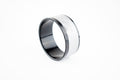
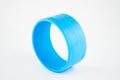
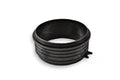
The wear ring (also called a liner or stator ring) is the housing that wraps tightly around your impeller inside the jet pump. It creates a near-zero clearance seal between the impeller blades and the housing wall. That tight gap is what turns spinning energy into water pressure — and water pressure is what moves the ski. When the gap opens up from wear or a debris strike, water slips back past the impeller instead of being pushed out the nozzle. The result: less thrust, more noise, and a ski that will not reach full speed no matter how hard you pin it.
5 symptoms of a bad wear ring
| Symptom | What you feel / see | Why it happens |
|---|---|---|
| Lost top speed or acceleration | Used to hit 50+ mph, now tops out at 40; works hard but does not go | Water recirculates inside the pump instead of being expelled |
| Grinding or rattling from the pump | Metallic or grinding noise from the back while running | Impeller blades contacting a scored or cracked ring — stop riding |
| Visible grooves or scoring | Inner surface feels rough, not smooth, with gouges | The impeller has been making contact; the seal is broken |
| After a debris strike | Thump after weeds, rope, or a rock — then reduced thrust | Even one rock or piece of rope can score the ring in a single pass |
| Cavitation / bogging under load | Ski slips or surges at speed or with a passenger; impeller spins but does not bite | Worn ring is the most likely cause on a ski with hours on it |
How to inspect it (no pump removal needed)
- Tilt the ski up or reach the pump nozzle from the back.
- Remove the nozzle cap if needed to see into the pump housing.
- With a flashlight, look at the inner surface of the wear ring for grooves, scoring, chips, or cracks.
- Run a finger around the interior — it should feel completely smooth. Any roughness is a red flag.
- Check the impeller blades at the same time. If the ring is damaged, the blades may be too.
Can you ride with a bad wear ring?
Technically yes — but you should not. A worn ring will not strand you, but riding on it accelerates damage to your impeller (a much more expensive part) and adds stress to the pump bearings. The wear ring is one of the cheapest parts in the jet pump. Replacing it early always beats waiting until it takes other components with it.
Replacing the wear ring
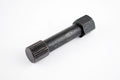
This is one of the more approachable DIY jobs on a Sea-Doo. You will need a wear-ring removal tool (or a long punch), a rubber mallet, and about 45 minutes. The ring is press-fit into the pump housing and drives out with the right tool; the replacement drops in. Match the ring to your exact model year and engine — dimensions vary between the 155, 170, 215, 230, and 300 hp platforms.
Shop wear rings · Jet pump repair kits · Complete pump assemblies
Related guides
Applies to Sea-Doo jet-pump skis; the same checks apply to Yamaha and Kawasaki with different parts. A symptom points to a likely cause, not a guaranteed one — inspect before you buy, and if the ring wore fast, find out why.