Sea-Doo Making a Growling Noise from the Back? It's Probably Your Jet Pump Bearings
Share
In stock · ships direct from the warehouse
Growling pump? A bearing kit is a fraction of a new pump
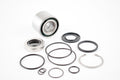
A $50 bearing now, or a $400+ pump housing later — the noise won't fix itself. If you're already pulling the pump, the carbon-seal rebuild kit does the bearings and seal in one shot. Pick your ski and we'll show what fits.
▸ Find My Pump Parts — Year / Make / Model
Common in-stock Sea-Doo pump bearings & kits:
| Fits (manufacturer listing) | Pump Bearing | Carbon-Seal Rebuild Kit |
|---|---|---|
| 1503 / 1630 4-TEC 04–17 | 010-203 — $49.93 | 003-110-02K — $91.76 |
| 1503 / 1630 4-TEC 16–26 | 010-203 — $49.93 | 003-110-03K — $80.29 |
| 1503 4-TEC 02–04 | 010-203-01 — $49.93 | 003-110-01K — $80.29 |
| 580 – 951 2-stroke 89–07 | 010-227 — $17.31 | 003-110K — $80.29 |
Not sure of your platform? Run your ski through the Year / Make / Model finder or send us the model and year and we'll confirm the right bearing or kit before you buy.
You're out on the water and you notice it — a low growl, a rumble, or a rough whirring sound coming from the rear of the ski. It might only show up at certain speeds, or it might be there every time the engine is running. Either way, your gut is right to flag it: that sound is almost always the jet pump bearings telling you they're on the way out.
Jet pump bearing failure is one of the most common mechanical issues on Sea-Doos, and it's one of the most misdiagnosed. Many owners assume the noise is the engine, the exhaust, or something minor. By the time they figure out what it actually is, the damage has often spread to the impeller shaft or the pump housing itself.
What Are Jet Pump Bearings and Why Do They Fail?
Inside your Sea-Doo's jet pump, the impeller shaft spins on two bearings — one forward, one aft. These bearings support the shaft at high RPM while it's submerged and under load, which is an extraordinarily harsh operating environment for any bearing to live in.
Even with seals in place, water eventually finds its way into the bearing cavities over time. Salt water accelerates this dramatically. Once moisture gets into a bearing, the grease breaks down, the steel races corrode, and the bearing starts to wear unevenly. That uneven wear is what creates the growling or rumbling noise you're hearing.
Here's what makes it so common: Sea-Doos run at very high impeller shaft RPM — often 6,000–8,000 RPM or more — and they do it while partially immersed in water. No bearing lasts forever under those conditions. It's not a defect. It's just wear, and it happens to nearly every ski given enough hours.
What Does a Bad Jet Pump Bearing Sound Like?
The noise profile varies depending on how far the bearing has degraded:
- Early stage: A faint growl or subtle roughness that shows up at mid to high throttle. Easy to dismiss as normal engine noise — most people do.
- Mid stage: A clear, consistent rumble or grinding tone from the back of the ski. Noticeable at idle, louder under load. The ski still performs normally.
- Late stage: A loud, harsh grinding or howling sound. May be accompanied by vibration you can feel through the seat or footwells. Performance starts to drop as the shaft begins to run out of true.
A useful test: with the ski out of the water and the engine off, grab the impeller (carefully — wear gloves, blades are sharp) and spin it by hand. It should rotate smoothly and quietly. If you feel roughness, catches, or hear a gritty sound, you've confirmed worn bearings.
How to Tell It Apart from Other Pump Noises
Not every noise from the back of a Sea-Doo is bearings. Here's how to tell the difference:
- Wear ring contact noise: More of a metallic scraping or chirping, often tied to debris ingestion. Usually comes and goes rather than being consistent. The hand-spin test will feel smooth despite the noise while riding.
- Impeller blade damage: An imbalanced or chipped impeller creates vibration and a rhythmic thumping or whirring rather than a smooth growl. Again, usually tied to a debris strike.
- Cavitation: More of a surge or slip feeling than a distinct mechanical noise. The ski feels like it's slipping rather than sounding like something is wrong.
- Bad bearings: Consistent, smooth, low-frequency growl that correlates with shaft speed (RPM), not water flow. It's always there once it starts, and it gets louder as the bearing continues to degrade.
What Happens If You Keep Riding on Bad Bearings?
This is where a lot of people make a costly mistake. Bearings are cheap. Pump housings and impeller shafts are not.
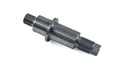
When a bearing fails completely, the shaft loses its support and starts to run with play. At 7,000 RPM, even a small amount of shaft wobble will cause the impeller to contact the wear ring, scoring both. The impeller shaft itself can develop grooves or score marks at the bearing journals. In a worst-case failure, the bearing can seize, lock the shaft, and cause damage that requires a full pump replacement rather than a simple rebuild.
A jet pump bearing kit costs a fraction of what a new pump housing or shaft costs. If you're hearing the noise, fix it now.
The Fix: Jet Pump Bearing Replacement
Replacing jet pump bearings is a moderate DIY job — more involved than a wear ring swap but absolutely within reach if you're comfortable with basic mechanical work. The general process:
- Remove the jet pump from the ski (same process as an impeller swap — see our impeller replacement guide for pump removal steps).
- Remove the impeller and disassemble the pump housing.
- Press out the old bearings using a bearing press or appropriate mandrel. Do not hammer directly on the bearing races.
- Clean the bearing bores thoroughly and inspect for scoring.
- Press in new bearings, pack with fresh marine-grade grease, and install new seals.
- Reassemble the pump, reinstall on the ski, and test.
The key tool you'll need beyond a standard socket set is a bearing press or a quality blind bearing puller. Improvising bearing removal with hammers and punches risks damaging the housing — worth renting or buying the right tool.
Should You Replace Just the Bearings or Use a Full Rebuild Kit?
If the ski has significant hours and you're already in the pump, a full pump rebuild kit is almost always the smarter call. A rebuild kit includes the bearings, shaft seals, o-rings, and other wear items that are all due for replacement at similar intervals. The incremental cost over just the bearings is small, and you won't be back in the pump again in six months when the seals start to weep. Browse Sea-Doo carbon-seal rebuild kits here.
WSM makes high-quality rebuild kits for virtually every Sea-Doo platform. If you also found wear ring damage during your inspection, replace the wear ring at the same time — parts are cheap, labor (even your own time) is not.
Shop WSM jet pump rebuild kits and bearing sets: Jet pump repair kits and all jet pump parts — in stock and ready to ship for all major Sea-Doo platforms.
How Often Do Jet Pump Bearings Need Replacing?
There's no fixed interval — it depends on hours, riding conditions, and how the ski is maintained. Salt water riders will see bearing wear faster than fresh water riders. As a general rule:
- Do the hand-spin test at the start of every season. Takes 30 seconds and catches early wear before it becomes a problem.
- If you ride in salt water, rinse the pump with fresh water after every session and consider annual bearing inspection.
- Any debris ingestion event (rocks, rope, weeds) is a reason to inspect the full pump — including bearings — before your next ride.
Bottom Line
A growling noise from the back of your Sea-Doo is not something to tune out or ride through. It's your pump telling you the bearings are going. Catch it early and it's a straightforward repair with inexpensive parts. Ignore it and you risk turning a $60 bearing kit into a $400+ pump repair bill.
If you're not sure what you're hearing or need help identifying the right parts for your model, reach out to us — we're happy to help you diagnose it and get the right kit ordered.