How to Replace a Jet Ski Steering Cable (Step-by-Step)
Share
A stiff, notchy steering cable doesn't get better — it gets worse until it seizes. The good news: replacing a jet ski steering cable is a straightforward driveway job with basic hand tools. This guide walks through it for Sea-Doo, Yamaha WaveRunner, and Kawasaki craft. Exact panel layout varies by model, but the process is the same on every PWC.
If you're not yet sure the cable is your problem, start with our guide to diagnosing steering, reverse, and throttle cable symptoms first, then come back here to do the job.
What you'll need
- The correct replacement steering cable for your exact year, make, and model
- Socket and wrench set
- Needle-nose pliers (for cotter pins)
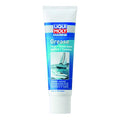
- Marine grease
- New cotter pins or lock nuts
- Your phone, for photographing the routing before you remove anything
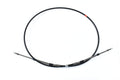
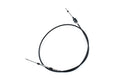
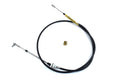
Buy the cable first, and buy the right one. This is where people lose a weekend. Steering cables are length- and end-specific — a cable for a 2007 hull won't fit a 2015. Match it to your exact craft and confirm the cable end style before you start wrenching. Shop PWC steering cables filtered by your year, make, and model.
Step 1: Get access to both ends
Remove the seat. Depending on the model, you may also need to pull the front storage bucket, glove box, or side access panels to reach the steering column at the helm, and open up the rear to reach the jet pump. Take a photo of how the cable is routed along the hull and where every guide and clamp sits — you'll want that reference when you install the new one.
Step 2: Disconnect the nozzle (pump) end
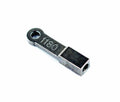
At the back of the jet pump, the cable connects to the steering nozzle through a ball joint. Remove the cotter pin or nut, pop the ball joint off the stud, then unthread the cable housing from its mounting bracket. Note how many threads are showing on the adjustment barrel — that's your starting point for the new cable's adjustment.
Step 3: Disconnect the helm (handlebar) end
At the steering column, the cable attaches to the steering shaft arm, again usually via a ball joint or clamp, and the housing is secured to a bracket. Free the cable end and the housing. The old cable is now loose at both ends.
Step 4: Pull the old cable and route the new one
Draw the old cable out, following its path so you understand the routing. Feed the new cable through the exact same route — through every guide, along the same side of the hull, with no kinks or sharp bends. A cable forced into a tight bend will bind and wear out early, so take the time to route it clean. This is the single most important step for a steering job that feels factory-smooth.
Step 5: Connect both ends, grease, and secure
Thread the housing into the nozzle-end bracket first and reconnect the ball joint at the nozzle. Then do the helm end. Pack the ball joints with marine grease before you seat them. Use fresh cotter pins or lock nuts — don't reuse corroded hardware. Snug everything, but don't crush the housing clamps.
Step 6: Adjust the centering
This is what separates a good job from a sloppy one. Hold the handlebars straight and centered. Adjust the threaded barrel and jam nuts at the cable end until the jet nozzle also points dead straight. Lock the jam nuts. Get this right and the ski will track straight and self-center properly instead of pulling to one side.
Step 7: Test lock-to-lock, then reassemble
Before you put a single panel back, turn the bars fully left and fully right. The nozzle should follow smoothly, move evenly in both directions, and return to center with no binding or catching. If it's smooth and centered, reinstall your panels and seat, then do a water test on your first ride out.
While you're in there
If the ski is older and the steering cable was corroded, the reverse and throttle cables are living in the same salty environment and are usually not far behind. Many owners replace the set at once to avoid tearing the ski apart twice. If reverse is also acting up, see Jet Ski Reverse Not Working for that diagnosis. You can shop the full range of PWC cables — steering, reverse, and throttle — in one place.
Done right, a steering cable swap restores light, precise, self-centering steering and takes an afternoon. Buy the correct cable for your exact ski, route it clean, and dial in the centering — that's the whole job.