Sea-Doo Supercharger Rebuild Cost: What You'll Actually Pay (215, 255 & 260)
Share
If you ride a supercharged Sea-Doo 215, 255 or 260 — RXP, RXP-X, RXT, RXT-X, GTX Supercharged or GTX Limited — the supercharger rebuild cost is a number you need to know before your season gets derailed. BRP's rebuild interval is 200 hours. But if your ski is still running its original ceramic washers, the real-world number is closer to 50 — and that gap is why so many of these fail long before the book says they should. Skip the rebuild entirely and you're looking at engine damage that costs ten times more to fix.
Riding a 300? This job doesn't apply to you — see the compatibility section below before you spend a dollar.
What the Supercharger Does (and Why It Fails)
The supercharger on Sea-Doo's Rotax 1503 engine forces compressed air into the intake, pushing power well beyond what the naturally aspirated version makes. That performance isn't free — it comes at the cost of a wear component that needs regular attention.
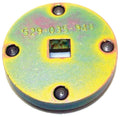
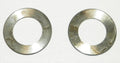
The supercharger uses a one-way clutch bearing and a stack of friction washers to engage and disengage the supercharger vanes. On the original units those washers were ceramic, and they are the part that wears out. The clutch bearing and the washers are the consumables — that's what you're rebuilding.
The interval nobody explains properly. BRP's number is 200 hours, but that figure assumes current parts. The old-style ceramic washers realistically only made it about 50 hours. If your ski has never had the supercharger apart, do not trust 200 hours — you are on borrowed time well before that. Once it's been rebuilt with up-to-date parts, 200 hours is a fair interval to work to.
Which Machines This Actually Applies To
This is a Rotax 1503 supercharged job — the 215, 255 and 260 machines.
- Rotax 1503 SC (RXP 215, RXT 215, GTX Supercharged): older design, parts widely available and generally the cheapest to source
- Rotax 1503 SC-S (RXP-X 255/260, RXT-X 255/260, GTX Limited): upgraded internals — use model-specific kits
The 1630 ACE 300 does not need this service. If you ride an RXP-X 300, RXT-X 300, GTX 300 or a Wake Pro, the supercharger is a different design and there are no ceramic washers to replace. Don't let anyone sell you a washer rebuild on one of these — it isn't a maintenance item on that engine.
Always confirm the part number against your model year and engine code before ordering. Getting the wrong washer spec is worse than running worn ones — it can cause premature wear on the clutch housing.
Why a Failure Gets Expensive So Fast
When the washers let go, the debris doesn't stay in the supercharger. It goes downstream into the intercooler first, and from there into the engine. That's the failure path that turns a cheap job into a catastrophic one, and it's why a supercharger failure means pulling and inspecting the intercooler too — not just replacing the supercharger and calling it done. Ceramic grit sitting in an intercooler will feed itself into a fresh engine.
The end result is scored cylinder walls, damaged pistons, contaminated oil, and potential rod bearing failure.
Check This Before You Rebuild Anything
Check the shaft play first. Before you order a kit, grab the supercharger shaft and check it for movement. If the bearing is sloppy, the whole unit is done — a washer kit won't save it, and you'll have spent the money and the afternoon for nothing. Do this check before you buy parts, not after.
Rebuild Cost: DIY vs. Shop
Here are real numbers, not ranges so wide they're useless.
DIY Rebuild Cost
If you're wrenching it yourself, you're buying a rebuild kit and spending an afternoon. Realistic costs:
- Rebuild kit (OEM or aftermarket): $80–$180
- Gaskets and O-rings: Often included; if not, add $15–$30
- Supercharger oil: $10–$20
- Tools (snap ring pliers, torque wrench — if you don't own them): $30–$80 one-time
Total DIY cost: $100–$250, depending on the kit and what tools you already have. OEM parts through a dealer push closer to $150–$200 for the rebuild kit alone.
The job is approachable for anyone comfortable with basic mechanical work. The supercharger comes off the engine, gets disassembled, the washers and clutch bearing get swapped, and it goes back together to spec torque. Plan for 2–4 hours your first time through.
If you are doing the job yourself, browse Sea-Doo supercharger parts and rebuild components to source washers, bearings, clips, and clutch hardware.
Shop Rebuild Cost
If you take it to a Sea-Doo dealer or marine mechanic, the cost jumps hard:
- Labor: 2–4 hours at $120–$180/hour = $240–$720
- Parts (marked up): $150–$250
- Shop fees and supplies: $25–$75
Total shop cost: $400–$1,000+
Dealers in coastal markets and resort towns often charge toward the top of that range. Get a written quote before you hand over the ski.
Core Exchange / Remanufactured Unit
A third option: send your supercharger to a specialty rebuild shop or swap for a remanufactured unit. Core exchange pricing typically runs $300–$500, which can be competitive with a dealer rebuild if you're skipping the labor. Turnaround is usually 5–10 business days.
What's in a Rebuild Kit
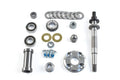
A quality kit includes:
- One-way clutch bearing assembly
- Friction washer set
- O-rings and seals
- Snap rings (where serviceable)
Some kits include replacement bolts; some don't. Budget an extra $10–$20 for hardware if it's missing. OEM kits come from BRP/Rotax and are sold through Sea-Doo dealers. Aftermarket kits from established suppliers like RIVA Racing are well-regarded in the PWC community. Avoid unknown offshore kits — the washer material and bearing quality directly affect how long the rebuild lasts.
Do not overlook the fluids while you are in there — you will find PWC oils and lubricants alongside the rest of your service items.
How Often Does It Actually Need Doing?
Two different answers depending on where your ski is in its life:
- Never been apart, original ceramic washers: plan on roughly 50 hours. The published interval does not reflect how these actually held up. If you bought the ski used and have no service history, assume it's due.
- Already rebuilt with current parts: 200 hours is a reasonable interval to work to.
Most recreational riders put 30–50 hours a year on a ski, so on a rebuilt unit you're looking at several seasons. On an original one, you could be there in a single season and not know it.
Missing the interval doesn't mean immediate failure — but the margin narrows fast once the washers start going. There's no visible early warning. The supercharger sounds fine right up until it doesn't.
Red Flags: Signs Your Supercharger Needs Attention Now
Don't wait for the interval if you notice any of these:
- Rattle at idle — often the first thing you'll hear
- Whining or grinding noise from the supercharger at idle or wide-open throttle
- Sudden loss of boost — the supercharger stops spinning up and the ski just won't pull like it did
- Play in the shaft when you grab and wiggle it
- Metal shavings in the supercharger oil during a check
- Oil that looks like coffee grounds — washer material breaking down
If you're hearing metallic noises, pull the supercharger before you run the engine again. Running further can push debris through the intercooler and into the engine, turning a $150 rebuild into a $5,000 engine job.
What Happens If You Skip the Rebuild
Saying it plainly: a failed Sea-Doo supercharger doesn't just leave you stranded on the water. When the washers come apart, fragments travel into the intercooler and then the engine. That means:
- Scored cylinder walls
- Damaged pistons and rings
- Contaminated oil system
- Grit left sitting in the intercooler, ready to eat the next engine
- Rod bearing failure
Engine rebuilds on supercharged Sea-Doos run $3,000–$8,000 in parts alone, plus labor. The $150 rebuild kit starts looking like the best money you ever spent.
And for anything else the teardown turns up, see the full range of Sea-Doo engine parts and rebuild components.
FAQ
How often should I rebuild my Sea-Doo supercharger? If it has already been rebuilt with current parts, 200 hours. If it's still on the original ceramic washers, plan on about 50 — those did not last anywhere near the published interval.
Does my 300 need a supercharger rebuild? No. The 1630 ACE 300 uses a different supercharger design with no ceramic washers to service. This job is for the 1503-based 215, 255 and 260 machines only.
Can I do the supercharger rebuild myself? Yes, with basic mechanical ability. You need a torque wrench, snap ring pliers, and the service manual for your model. Budget 2–4 hours. Check the shaft for play before you order parts — if the bearing is sloppy, the unit is finished and a washer kit won't fix it.
Do I need to touch the intercooler too? If the washers actually failed, yes. Debris travels into the intercooler on its way to the engine, and grit left in there will feed straight back into a fresh motor. Inspect it before you put everything back together.
Is an aftermarket rebuild kit as good as OEM? Reputable brands like RIVA Racing use equivalent or better materials and are widely trusted in the PWC community. Avoid cheap no-name kits from unknown suppliers — the quality of the washers and bearing directly determines how long the rebuild holds.
Does a DIY supercharger rebuild void my warranty? If your ski is still under a dealer warranty, check with BRP before doing your own service. On out-of-warranty machines, DIY is standard practice. Keep your receipts and log the service date and hours.
Do the Job Right — Don't Overpay for Parts
A Sea-Doo supercharger rebuild is one of the highest-ROI maintenance jobs on a supercharged 215, 255 or 260. Spend $150 in parts and an afternoon in the garage, or spend $5,000 rebuilding an engine because you skipped it. The math isn't complicated.
Everything JetSki stocks rebuild kits, supercharger oil, gaskets, and the hardware you need to get it done right the first time. Shop at https://everythingjetski.com and get back on the water with confidence.