Sea-Doo Jet Pump Rebuild Guide: What's Included and What It Costs
The jet pump is the heart of your Sea-Doo's propulsion system. Everything that moves the ski — the impeller, the wear ring, the bearings, the shaft seals — lives in there. When one component goes, it often means others are close behind. That's why a full jet pump rebuild is sometimes the smarter move over replacing parts one at a time.
This guide covers what a rebuild actually involves, what comes in a rebuild kit, what the job costs DIY versus dealer, and how to know when it's time to do one.

Already know you need pump parts? Pick your year and model and you will only see the ones that fit your ski.
Find the parts that fit my ski →What Is a Jet Pump Rebuild?
A jet pump rebuild means disassembling the entire pump and replacing all the internal wear components: bearings, shaft seals, o-rings, and any other parts showing wear. The impeller and wear ring may or may not be replaced depending on their condition — sometimes they're inspected and reused, other times they're done too.
Think of it like a top-end engine rebuild but for your pump. You're not replacing the pump housing itself — just everything inside it that's subject to wear and water intrusion over time.
What's Inside a Jet Pump Rebuild Kit?
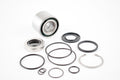
A quality rebuild kit like those made by WSM typically includes:
- Pump bearings (forward and aft): The two bearings that support the impeller shaft. These are the most common failure point on high-hour skis.
- Shaft seals: The seals that prevent water from migrating from the pump cavity into the bearing journals and beyond. Once seals start weeping, bearing life drops fast.
- O-rings: Various o-rings throughout the pump assembly that maintain watertight interfaces between components.
- Pump coupling: The rubber coupler between the driveshaft and the impeller shaft absorbs shock and vibration. It wears over time and should be inspected and replaced if cracked or compressed.
- Zinc anode: The sacrificial anode that protects pump hardware from galvanic corrosion, especially critical for salt water use.
Some kits also include the impeller shaft nut, lock washer, and other small hardware. Higher-spec kits may include the wear ring or impeller, though these are often sold separately since they wear at different rates.
What's Not Usually in a Rebuild Kit (But Should Be Considered)
- Wear ring: If your wear ring shows any grooves or scoring, replace it at the same time. A new impeller running against a worn ring will wear faster than it should.
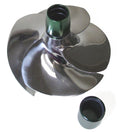
- Impeller: If blades are chipped, eroded, or the impeller has significant hours, replace it while the pump is already apart. The incremental labor is zero.
- Ride plate gasket: The gasket between the pump inlet and the hull often takes damage during removal. Have a new one on hand.
- Pump inlet seal: On some platforms this is separate from the rebuild kit. Check your model-specific parts list.
Everything a Full Pump Rebuild Needs
The parts list is the same on every Sea-Doo — only the part numbers change. Here is the whole job in one place.
| Jet Pump Repair Kit | Bearings, shaft seals, o-rings. The core of the job — always replace. |
| Wear Ring | Any grooves or scoring at all. Cheap, and a new impeller will chew itself up against a worn one. |
| Impeller | Chipped, eroded, or dinged blades. Zero extra labor while the pump is already apart. |
| SOLAS Impeller | Optional performance step-up over the OEM-style replacement. |
| Impeller Shaft | Rust or pitting on the seal surface. A pitted shaft eats new seals in a season. |
| Jet Pump O-Rings | If your kit does not cover every one. Never reuse an o-ring. |
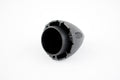
| Nose Cone | Cracked or impact-damaged from debris. |
| Complete Pump Assembly | If the housing is scored or you would rather swap the whole pump than rebuild it. |
Pick your year and model in the Find Parts bar and you will only see pump parts that fit it.
Not sure which kit you need? Call 516-765-1861 and we will confirm it.
How Much Does a Jet Pump Rebuild Cost?
DIY Cost
A WSM jet pump rebuild kit for most Sea-Doo 4-TEC platforms runs roughly $60–$120 depending on the specific model. Add a new wear ring ($25–$60) and impeller ($80–$200 for OEM-spec) and you're typically looking at $150–$350 in parts for a complete pump overhaul. That's the full job — bearings, seals, wear ring, and impeller.
Tools required: impeller removal tool (model-specific), bearing press, basic socket set, and torque wrench. If you don't have a bearing press, many auto parts stores rent them, or a local machine shop will press bearings for a small fee.
Dealer Cost
Dealer labor for a full jet pump rebuild typically runs $300–$600 depending on your region and the shop's hourly rate, on top of parts. Total dealer cost for a full pump rebuild including impeller is often $500–$900+. Doing it yourself saves you $300–$600 in labor for a job most mechanically inclined owners can handle in 3–4 hours.
Step-by-Step: How a Rebuild Works
Here's the full sequence so you know what you're getting into before you start:
- Remove the pump from the ski. See our impeller replacement guide for the pump removal steps — same process applies here.
- Remove the impeller using your impeller tool. Remember: left-hand threads, loosens clockwise.
- Disassemble the pump housing. Remove the stator (the fixed vane assembly inside the pump), the venturi, and the nose cone to expose the shaft and bearings.
- Remove the shaft seals. Use a seal puller or a flat screwdriver carefully. Note the orientation of each seal before removal — they go back in the same direction.
- Press out the old bearings. Use a proper bearing press and appropriate mandrel. Don't hammer directly on bearing races — one bad hit and the housing bore is damaged.
- Clean and inspect the housing. Look for scoring in the bearing bores, cracks in the housing, or damage to the stator vanes. A damaged housing is unusual but worth checking before reassembly.
- Press in new bearings. Press them in squarely and to the correct depth. Pack with fresh marine-grade grease per the service manual spec.
- Install new shaft seals. Lightly lubricate the seal lips with clean grease before installation. Press them in to the same depth and orientation as the originals.
- Replace o-rings and zinc anode. All o-rings in the kit get replaced — don't reuse them.
- Reinstall the impeller shaft and impeller, torquing the impeller nut to spec with anti-seize (not thread locker).
- Replace the wear ring if needed — it presses in and out of the housing.
- Reinstall the pump on the ski and test before your first ride.
When Does a Full Rebuild Make Sense?
You don't need to rebuild the pump every season. But these situations call for it:
- Ski has 100+ hours on the original pump internals and you're already in there replacing the impeller or wear ring. The incremental cost of adding bearings and seals is minimal.
- You're hearing a growl from the pump and confirmed bad bearings. Once you open the pump, do the full kit — seals wear at similar rates to bearings.
- You bought a used ski with unknown service history. A pump rebuild is cheap insurance when you don't know what was done before you.
- Multiple symptoms at once — speed loss, noise, and vibration. When more than one thing is wrong in the pump, you're probably dealing with cumulative wear across multiple components.
A Note on WSM Rebuild Kits
WSM (Watercraft Superstore Manufacturing) is the industry standard for aftermarket PWC pump components. Their rebuild kits are manufactured to OEM specifications and cover virtually every Sea-Doo platform from the 130 hp Spark through the 300 hp RXP-X. We stock WSM rebuild kits and individual components for the most common Sea-Doo configurations.
Ready to rebuild? Jump back to the full parts list and pick your year and model, or contact us and we'll confirm the correct kit for your specific ski.
Bottom Line
A jet pump rebuild is one of the highest-value maintenance jobs you can do on a Sea-Doo. The parts are affordable, the labor is manageable for a motivated DIYer, and doing it proactively protects your impeller, your shaft, and your pump housing from the kind of damage that turns a $100 rebuild into a $500 pump replacement. When you're already in the pump for any reason, it almost always makes sense to do the full kit.